“Changing weather patterns and deteriorating soil conditions had made it almost impossible for me to earn a sustainable livelihood through farming. The soil could not absorb either moisture or nutrients,” says Narayan. Increased expenditure on chemical fertilisers further added to his financial burden.
Narayan started attending classes on regenerative agricultural practices in Kalmeshwar block, Nagpur district. “These sessions gave me hope – to restore and rejuvenate my farm, as well as the biodiversity on it,” he says.

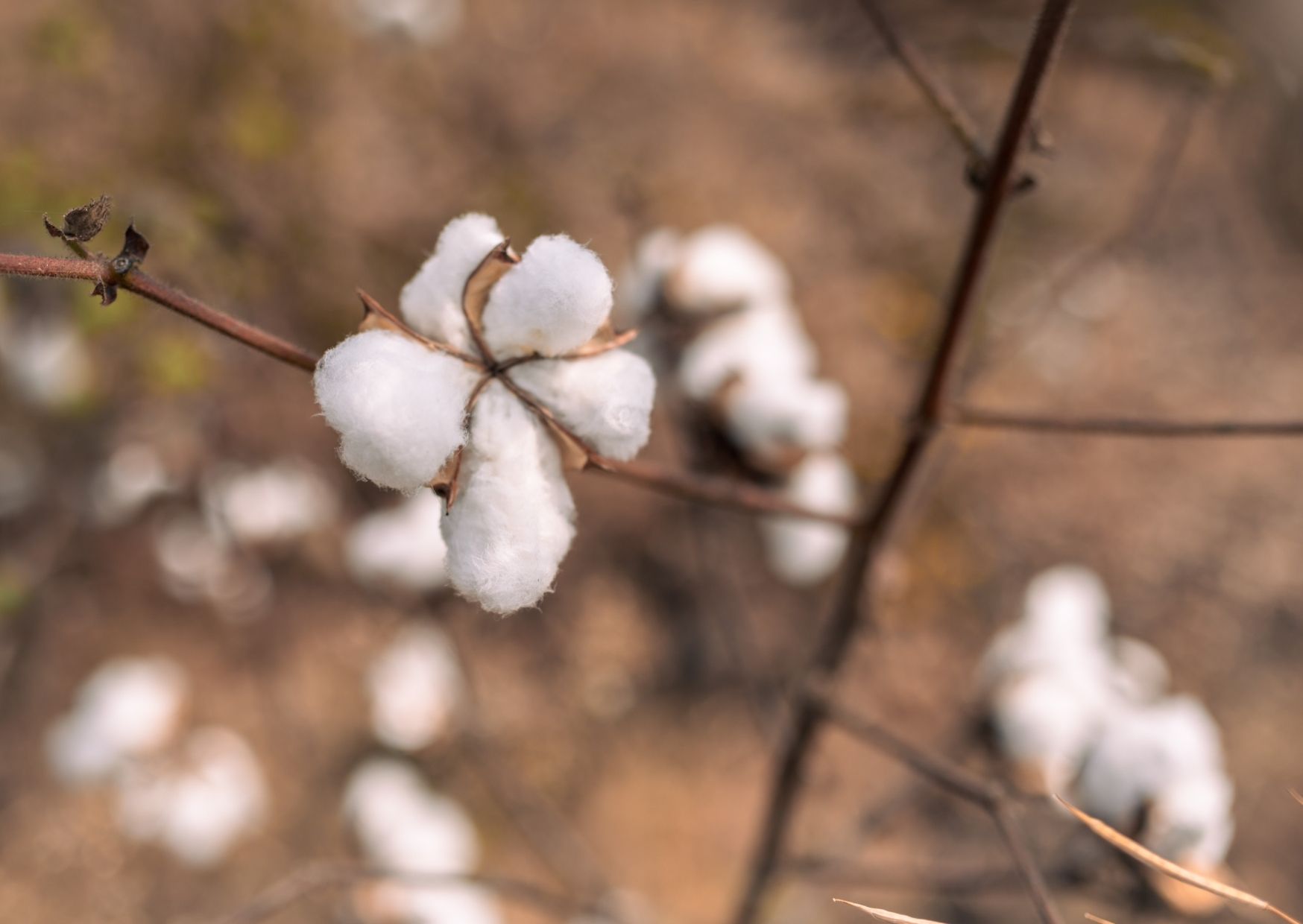
For the 2024–25 season, Narayan grew cotton and other crops (such as pigeon pea) on two hectares of land. His success in crop diversification and in procuring high yields is mostly a result of his use of natural fertilisers, such as vermicompost. “I prepare vermicompost three times a year and use it for all the crops I grow. All of them are enjoying greater yields than before,” says Narayan.
The installation of a biodigester in 2023 marked a significant step in Narayan’s journey as a sustainable farmer. The biodigester uses organic waste from his farm to generate biogas, which the family uses for cooking. He uses the slurry produced from the unit as an organic fertiliser to improve soil fertility. “The biodigester is a source of clean energy. It is a marked improvement over smoke-generating sources such as the chulha, and my wife no longer suffers from breathing problems,” he says.
Since joining the Regenagri programme, Narayan’s farm has seen steady growth in yields and income. After the first year of joining, he harvested 1.7 tonnes of cotton on 1.4 hectares of land. Today, he produces 2.4 tonnes of cotton from the same land. On the remaining 0.6 hectares, he harvested 200kg of pigeon pea in 2023–24, doubling to 400kg in 2024–25. His net income has more than doubled from around ₹1 lakh (about 900€) before he joined the programme, to ₹2.56 lakh (about 2,300€) in 2024–25.
“By gaining knowledge about good agricultural practices, and making use of the support provided, I have improved my farming techniques, and reduced expenditure on chemicals and fertilisers,” says Narayan.
.png)