



Agriculture is responsible for around 11% of global GHG emissions, widespread loss of biodiversity and crisis-levels of land degradation that impacts the food security of 1.7 billion people globally through yield loss.
Alongside these deeply worrying facts, we find hope in the growing strength of the regenerative agriculture movement as an alternative to intensive farming. As FAO notes in The State of Food and Agriculture 2025:
"With thoughtful stewardship and regenerative approaches, farming can become a force for avoiding, reducing and reversing land degradation, [...] balancing productivity with the preservation of ecological integrity.”
In June 2025 the European Economic and Social Committee’s (EESC) recognised regenerative agriculture as a key mechanism for sustainably transforming the food production systems EU-wide.
Another indication of regenerative agriculture’s move towards the mainstream was the launch of Brazil-led Resilient Agriculture Investment for net-Zero land degradation (RAIZ) in November 2025. Aiming to connect public and private finance to restore degraded farmland, RAIZ has the triple goal of strengthening food security, tackling climate breakdown, and protecting biodiversity. Regenerative agriculture will play a key role in the global initiative, supported by the governments of Australia, Canada, Germany, Japan, the Kingdom of Saudi Arabia, New Zealand, Norway, Peru, Uruguay and the UK.
For Regenagri, the surge in international recognition of regenerative agriculture’s many environmental, social and economic benefits is evident in our continued growth in both uptake and impact.
Globally, the data from 2024 to 2025 show encouraging progress among Regenagri-certified farms. Biodiversity practices per farm increased by 15%, while natural crop protection increased by 5.6 percentage points. In Asia, natural crop protection increased by 15.8 percentage points in just one year – the largest regional shift recorded in the dataset.
In 2025, a further 323,352 hectares were certified under the Regenagri programme, bringing the total certified area to 2,307,642 hectares. The number of supply chain companies certified to Regenagri supply chain standards also rose to 2,278 – an increase of more than 80% on the previous year. This growth was driven in large part by increased adoption of Regenagri among brands and retailers.
We supported this growth on multiple levels, with the themes of collaboration and integrity running throughout our work in 2025.
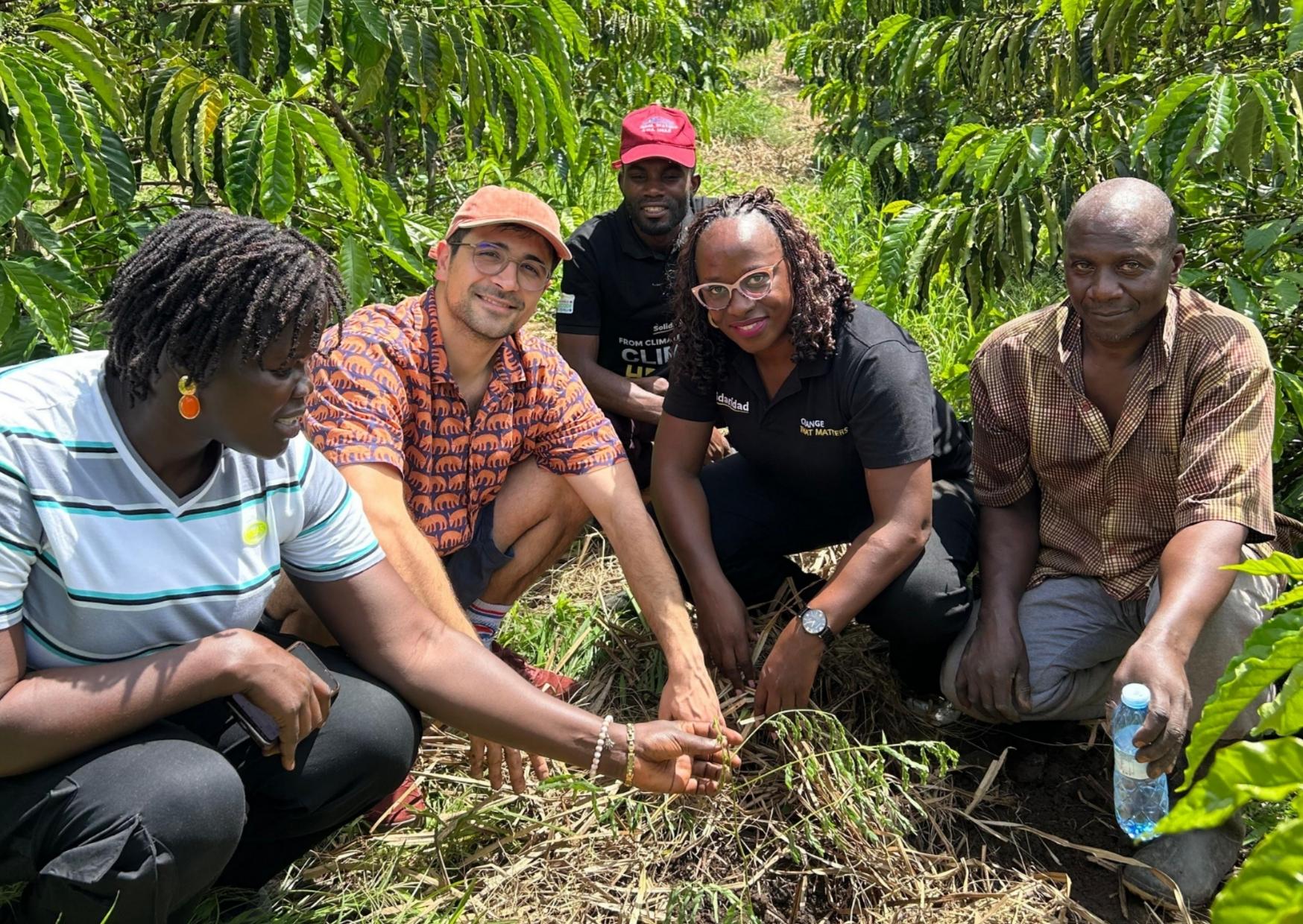
Recognising the importance of collaboration to bring widespread transition to regenerative farming, 2025 was a year of nurturing relationships. We became the lead partner in Regenerative Organic Alliance’s Journey to ROC™ pilot programme, and welcomed the International Cooperative Alliance as a board member. We also expanded our work with NGO partners: collaborating with WWF Pakistan to bring 180 more farms on board, and with WWF-India to support smallholder farmers alongside Solidaridad, bringing an additional 1 million hectares under the programme.
Together we are supporting widespread adoption of regenerative farming, bringing it into the mainstream farm by farm.
In response to ongoing demand for high-quality standards and certification, we continue to raise the bar on integrity. By delivering ever more rigorous standards and providing assurance with third-party validation, Regenagri’s regenerative agriculture programme remains a forerunner in the industry.
With growing attention on greenwashing, and stricter regulations to curb misleading marketing, we’re proud to be able to ensure Regenagri brand and retail partners can make claims with confidence. We provide our partners with rigorous third-party data that aligns with current and upcoming regulations around the world, such as the EU’s Empowering Consumers for the Green Transition directive and the UN Guiding Principles on Business and Human Rights.
We share our thanks with all of our partners for your continued support and collaboration. We hope you enjoy reading about what we achieved together during 2025.
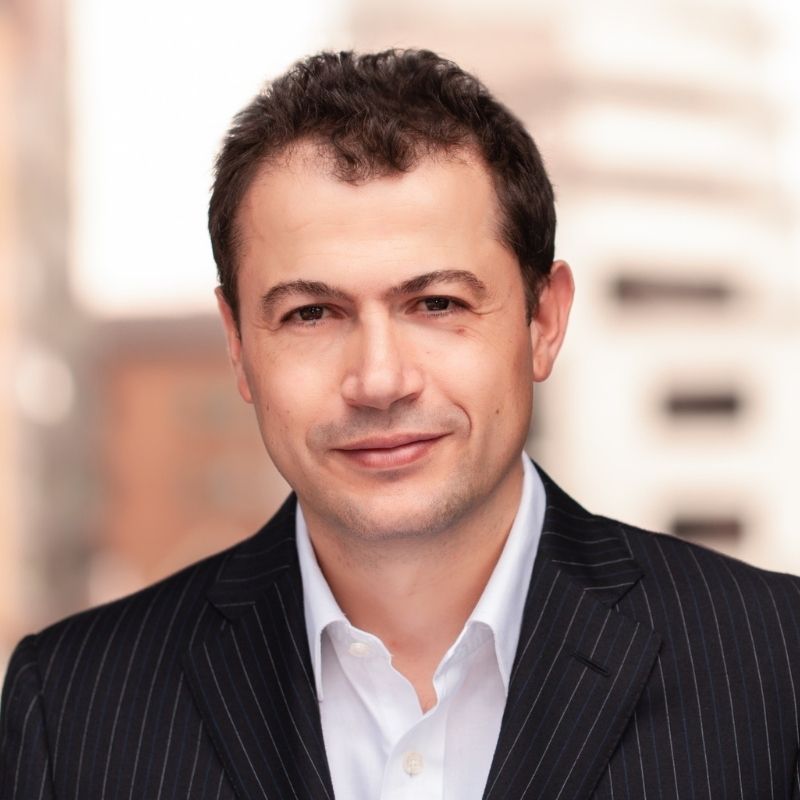
Franco Costantini, CEO