In 2025, Alliance Ginneries Tanzania progressed on our regenerative agriculture journey, expanding our support across our growing network of smallholder farmers in Tanzania’s Lake Zone regions, including Simiyu, Mwanza, Shinyanga, and Mara.
Our latest Regenagri audit results confirm that expanding our use of regenerative practices, including natural pest management, is having a positive impact. The audit revealed an increase in soil organic matter in the participating plots, reversing historical land degradation and enhancing crop resilience against extreme weather conditions.
Our alignment with Regenagri’s standard criteria has driven transformation across three critical pillars:
Our staff have evolved from traditional agricultural advisors into regenerative agriculture specialists thanks to intensive training centred on Regenagri’s core metrics.
This upskilling is transforming our ginnery into a regional knowledge hub for sustainable textiles.
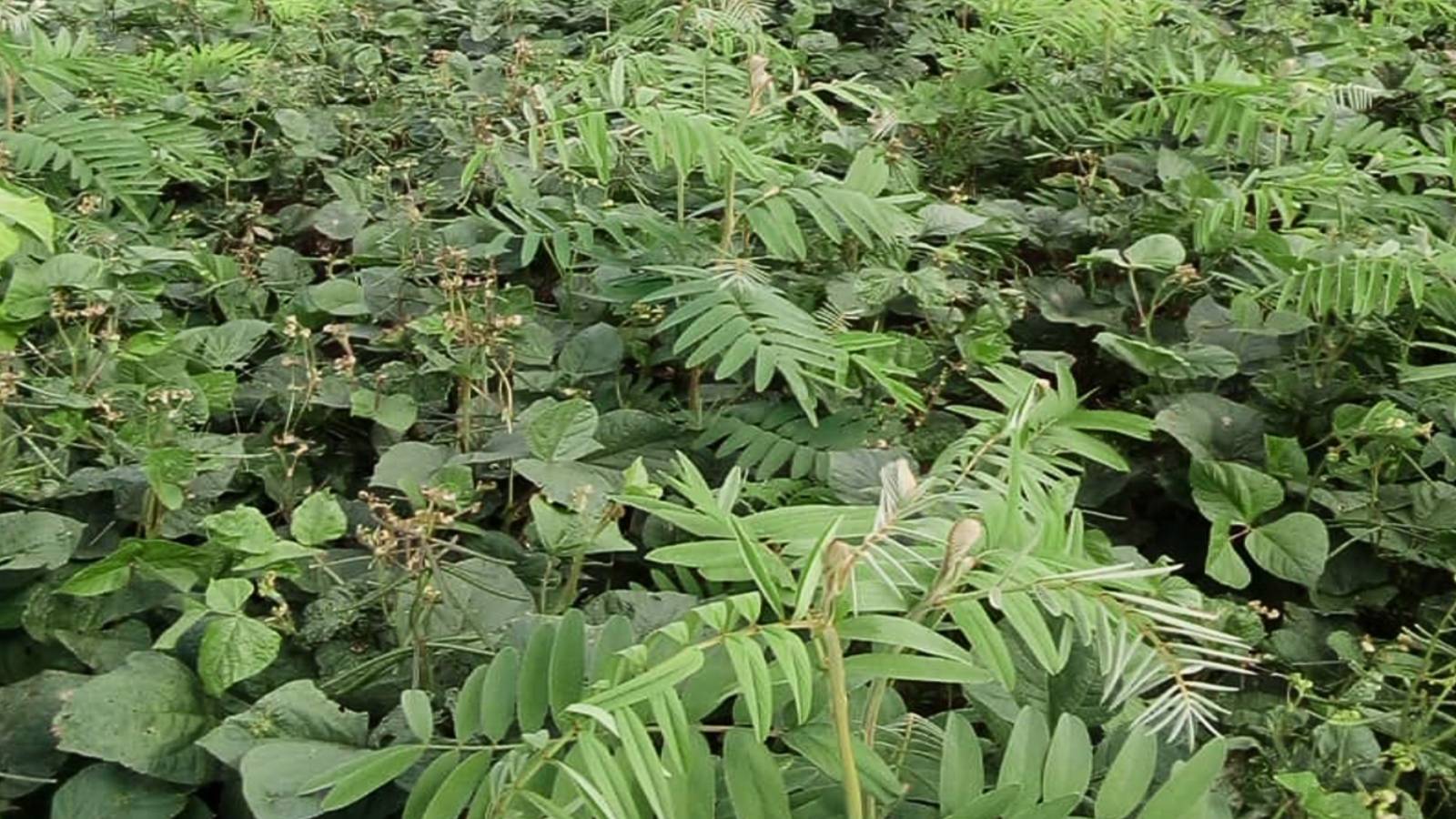
Implementing cover cropping, minimal tillage, and organic soil amendments has helped farmers to restore degraded soils, enhance water retention during dry spells, and reduce pest populations naturally. By reducing their dependence on expensive chemical inputs, they are achieving higher profit margins, thereby building a more resilient economic foundation for their households.
We invest in community development: building schools and clean water facilities. Creating more sustainable and resilient communities will enhance the wellbeing of our farmers and their families.
"Selling my cotton to Alliance Ginneries has enabled me to educate my children, buy livestock, and invest in better farm equipment. The higher market prices for sustainable cotton have provided me with a secure livelihood," says Mr. Shinje Mathao from Ikunguliambeshi village in Kilalo Ward, Bariadi District.
We maintain a secure and traceable chain of custody from the village plot to the final lint bale. By measuring soil health indicators and socioeconomic milestones, we offer our global brand partners complete transparency.
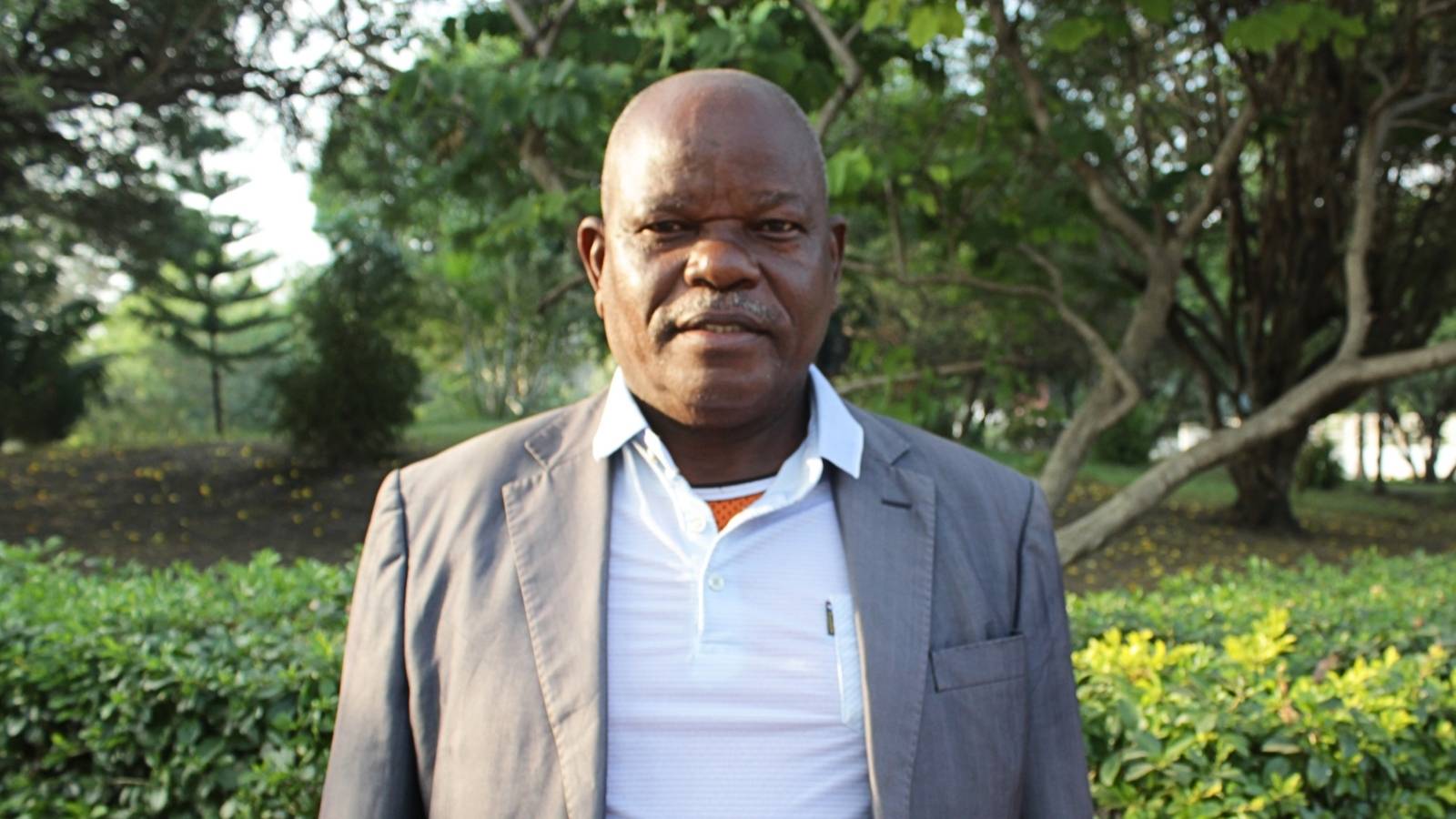
"The regenerative project has changed how we view our land. It is no longer just a source of cotton but a living system that we must protect for our children," says Mr. John Kabole, a member of our Ihumilo Cooperative Union in Kilalo Ward, Bariadi District.
Main photo: Green gram intercropped with Tephrosia. The canopy prevents the effects of runoff erosion while providing biomass, improves soil fertility through nitrogen fixation and conserves soil moisture. Photo courtesy of Alliance Ginneries.
.png)