Putting practices to the test: How regenerative farming protected Agrita Tarım's business from extreme weather
Agrita Tarım is a large-scale farm and production company in Söke, Türkiye. They produce Regenagri-certified cotton, wheat, barley, sunflower, triticale, corn, vetch, animal beet, feed peas, olives, pomegranate and almonds. Here, General Manager Hamdi Erdem explains how extreme weather conditions in 2025 put Agrita Tarım’s regenerative practices to the test.
The 2025 season in the Aydın region brought an unusual combination of extremes.
There were drought conditions during the critical cotton growth period, followed by heavy rainfall and flooding in the late season.
For conventional farming operations, events of this kind routinely result in significant soil erosion, nutrient leaching, waterlogging, and yield loss. Agrita's regenerative system responded differently – and the regenerative practices we have adopted over the last six years proved their value precisely under these conditions:
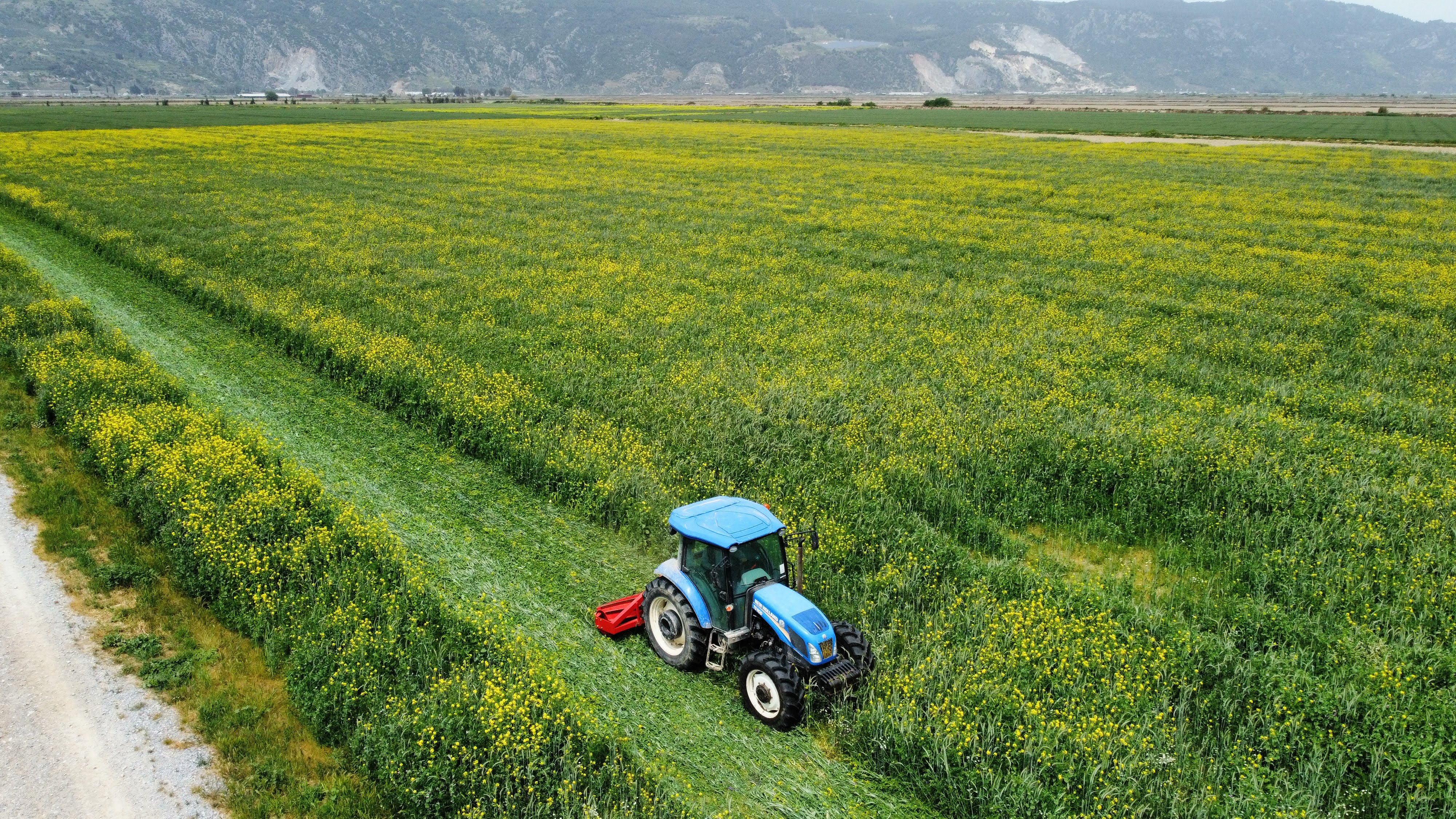
Zero tillage and crop residue retention: Leaving all residues on the field surface reduced runoff velocity during flooding events, limiting topsoil movement and maintaining soil structure integrity.
Cover crop root networks: The dense root systems established by vetch, triticale, and field peas maintained soil aggregate stability and improved water infiltration rates. This allowed rainfall to percolate rather than pool or run off.
Buffer strips and windbreaks: The 45% field border coverage by hedgerows and windbreaks absorbed wind energy during storms and reduced surface water movement at field margins.
Rotational grazing management: Sheep were moved to appropriate areas during adverse conditions, preventing the compaction of waterlogged soils that unmanaged grazing would have caused.
Drip irrigation with moisture monitoring: During the drought period, remote monitoring systems enabled timely, precise water application, reducing consumption while maintaining crop conditions.
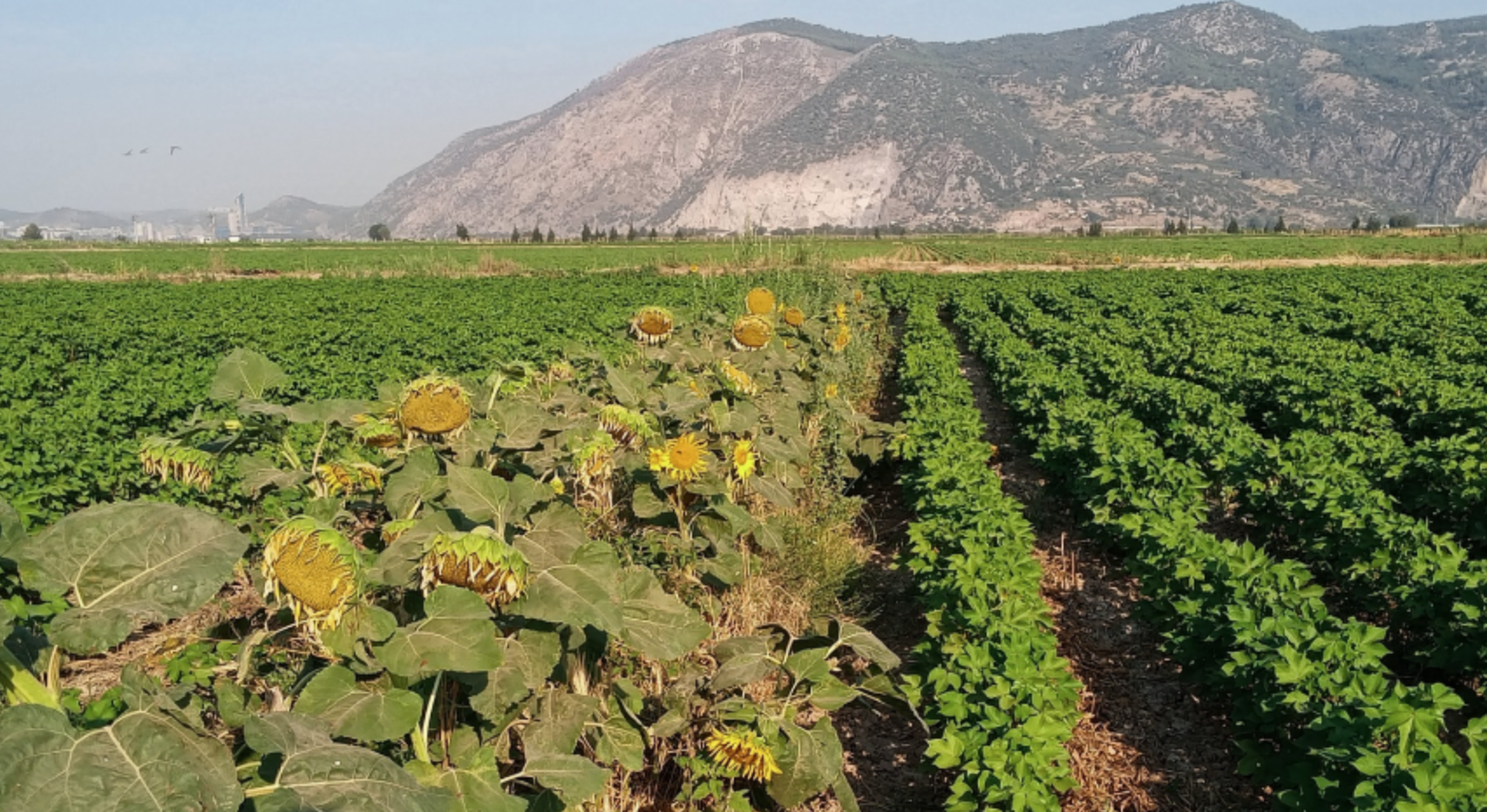
Sunflowers are planted among cotton that was sown into stubble. Sunflowers play a significant role in pest management by facilitating host alternation, which helps effectively break pest cycles.
These changes have delivered encouraging results:
Natural fertiliser now dominates the system: In 2022, around 33% of the fertiliser we applied to Agrita farms was organic in origin. By 2025, natural fertiliser accounted for more than 80% of total NPK applied.
Synthetic pesticide use reduced to near zero: Thanks to natural crop protection strategies, Agrita has substantially reduced synthetic pesticide use compared with the average Turkish farm.
Biodiversity infrastructure substantially expanded: As well as increased hedgerow and windbreak coverage, we installed bird nesting boxes and ecological corridors. We’ve eliminated GMO crops across all farm units to complement these structural improvements.
Agrita's audit results over the previous three years are a testament to our hard work in bolstering our farms’ climate resilience.
During that time, our score has improved by 30%, reflecting a fundamental redesign of Agrita's way of farming.


.png)