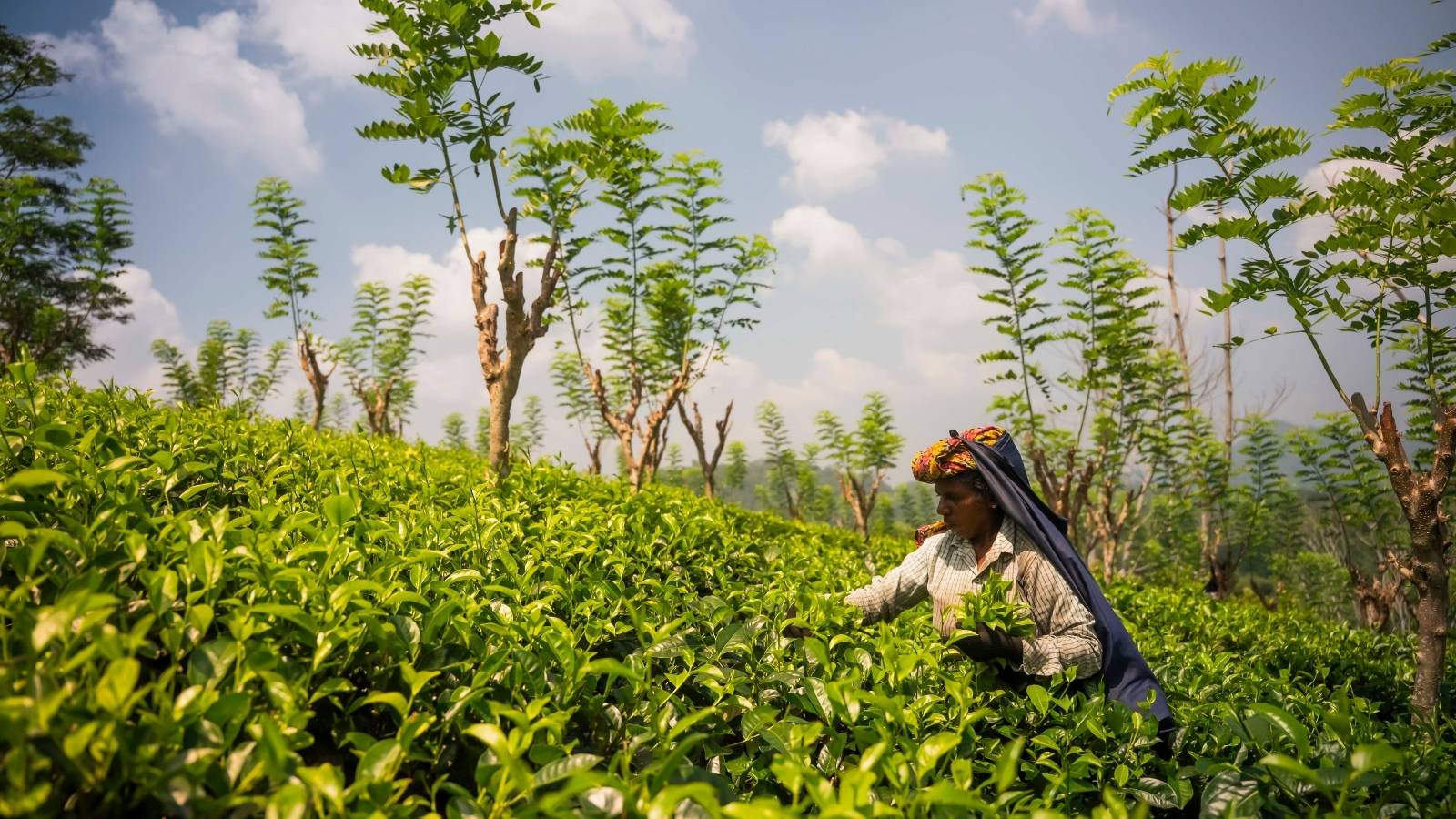
One of our proudest achievements in 2025 was seeing our farmer groups’ growing commitment to regenerative practices.
Farmers who were initially hesitant started to embrace soil health management techniques such as composting, mulching, and reduced chemical input. We saw encouraging improvements in soil condition across our tea lands, such as visibly healthier root systems and better moisture retention.

The biggest challenge has been trying to change mindsets.
Many of our farmers have followed conventional practices for generations. Introducing a new way of thinking about soil, biodiversity, and land management has required patience and consistent engagement. Language and literacy barriers have also made it more difficult to communicate technical concepts.
We’ve overcome these challenges by investing in in-person training sessions rather than relying on written materials. When farmers can see the difference in soil quality with their own eyes, they are more willing to adopt new methods. Building a network of lead farmers who champion regenerative practices within their communities has also been key: peer-to-peer learning has turned out to be one of our most powerful tools.
Sri Lanka's tea industry is deeply connected to the health of its land.
Declining soil fertility, unpredictable weather patterns, and rising input costs were clear warning signs that conventional farming methods were unsustainable.
Transitioning to regenerative agriculture was as much an environmental decision as a business one. Healthier soils lead to better quality tea, more resilient crops, and more stable livelihoods for our farmers.
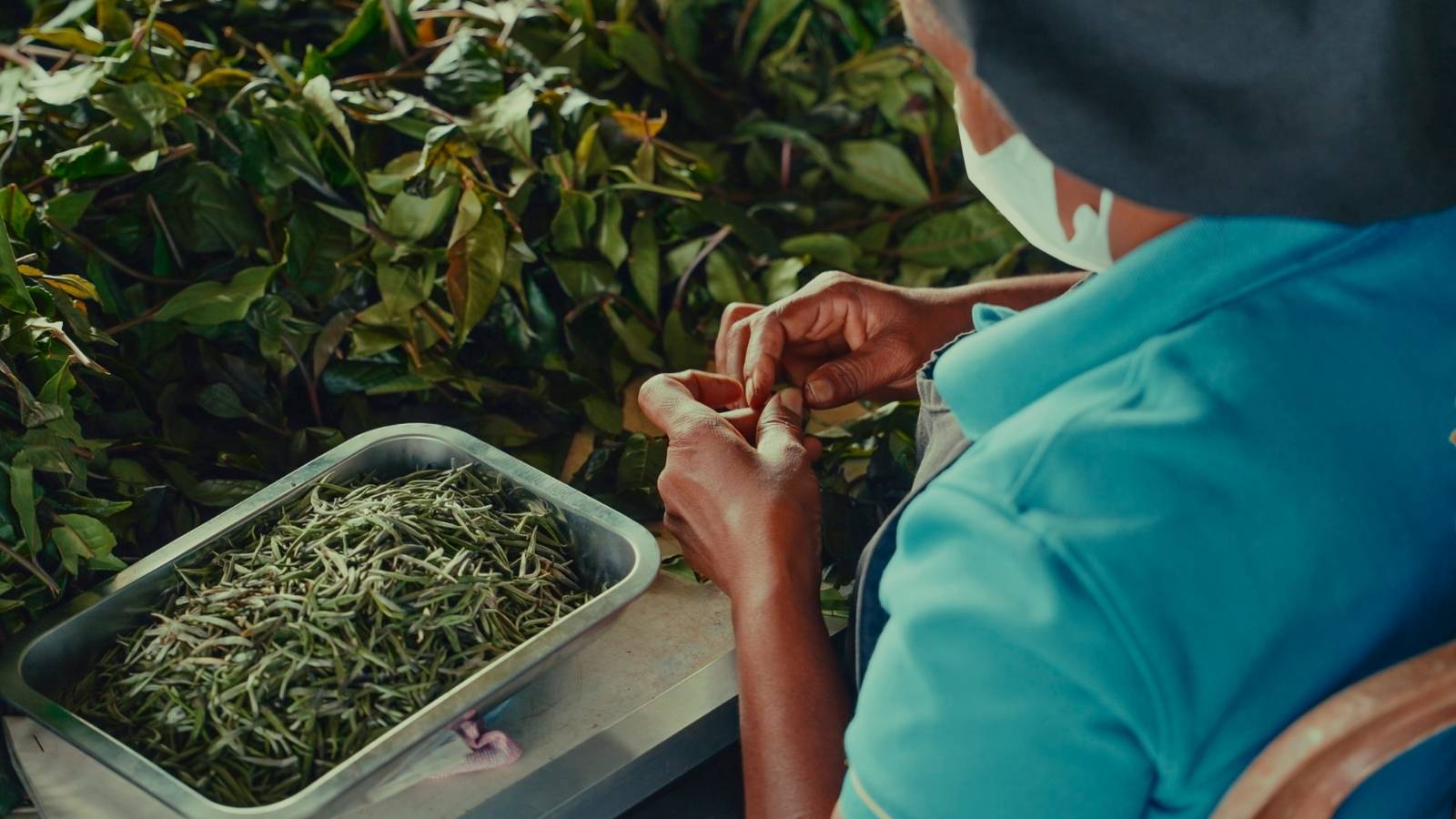
We chose Regenagri because its framework aligned well with our goals.
Regenagri offers a practical, measurable pathway to improve our agricultural practices while providing credible third-party recognition that our buyers and partners value. The certification also gives us a structured approach to track our progress rather than relying on guesswork.
Regenagri has helped us see our tea lands differently. It is no longer just about the leaf; it’s about the soil beneath it, the ecosystem around it, and the people who care for it. This certification has given our farmer group a shared purpose and a clearer path forward.
Main photo: A tea plucker hand-picks tea leaves. Selective hand-picking minimises damage to tea bushes, supporting long-term plant health. It also protects the soil by avoiding heavy machinery.
.png)