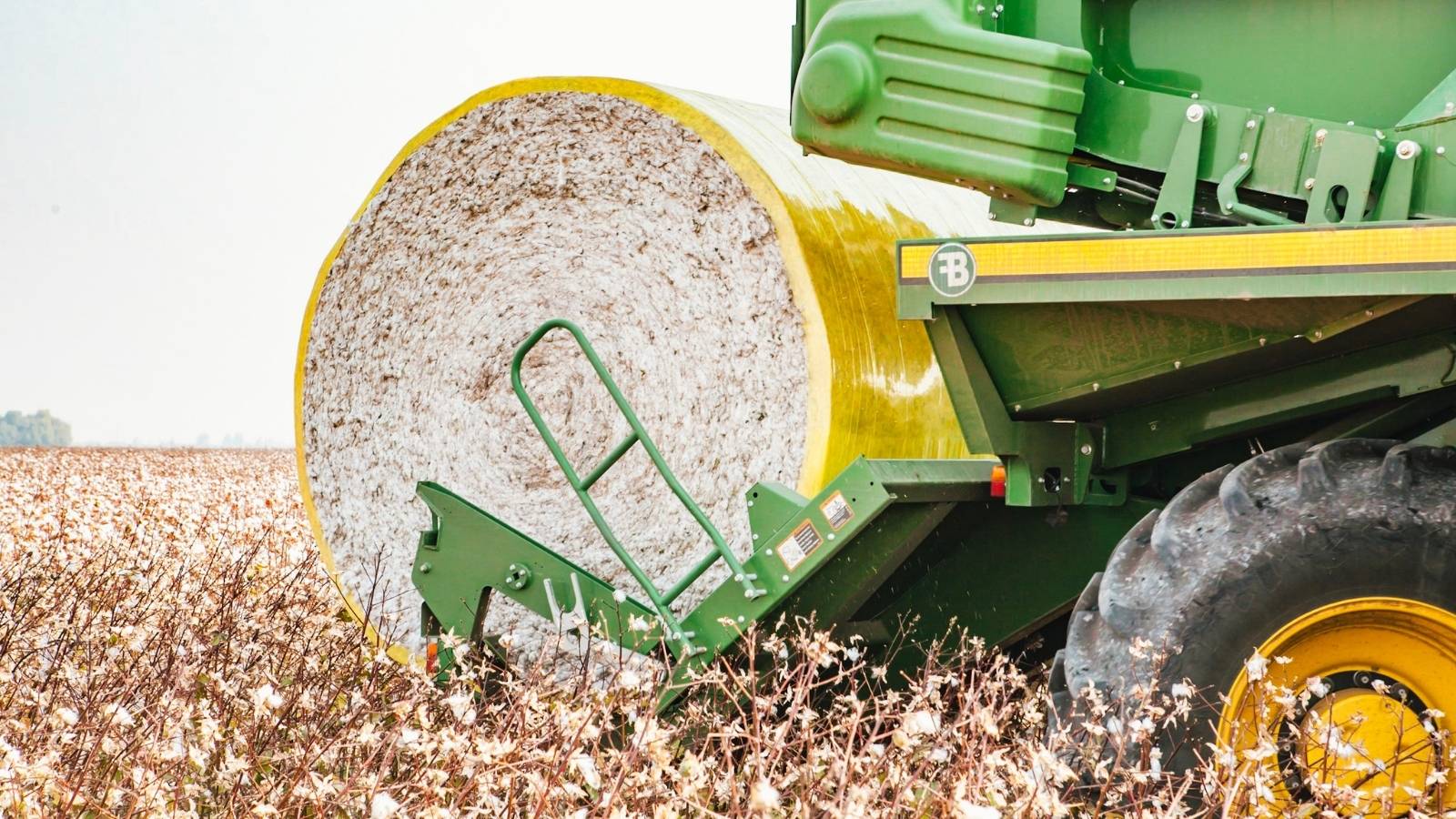
Our 2025 Regenagri audit score reflects the breadth and maturity of regenerative practices across the farm.
The audit score matters to us because it's an outside read on whether what we say about our farm actually holds up. It's easy to talk about regenerative practices. It's harder to have an independent auditor walk the fields, look at the documentation, and confirm it.
Soil health work, water and energy efficiency, biodiversity and habitat stewardship, labour practices, and reduction of emissions were all moving in the right direction at the same time, and that's what the audit captured.
The biggest challenge is the cost and labour required to implement and sustain new practices at scale.
Cover cropping, reduced tillage, expanded habitat areas, and the data collection that supports verified claims all require real investment in equipment, seed, management time, and trained workers. The financial returns can lag the upfront costs by several seasons.
We've worked through this by being deliberate about sequencing and leaning on partners who can share the cost of verification and data work. We look for revenue streams – like brand partnerships – that recognise the value being created.
Matching the practice to the soil, the rotation, and the crop has also saved us from spending money on things that wouldn't have delivered.
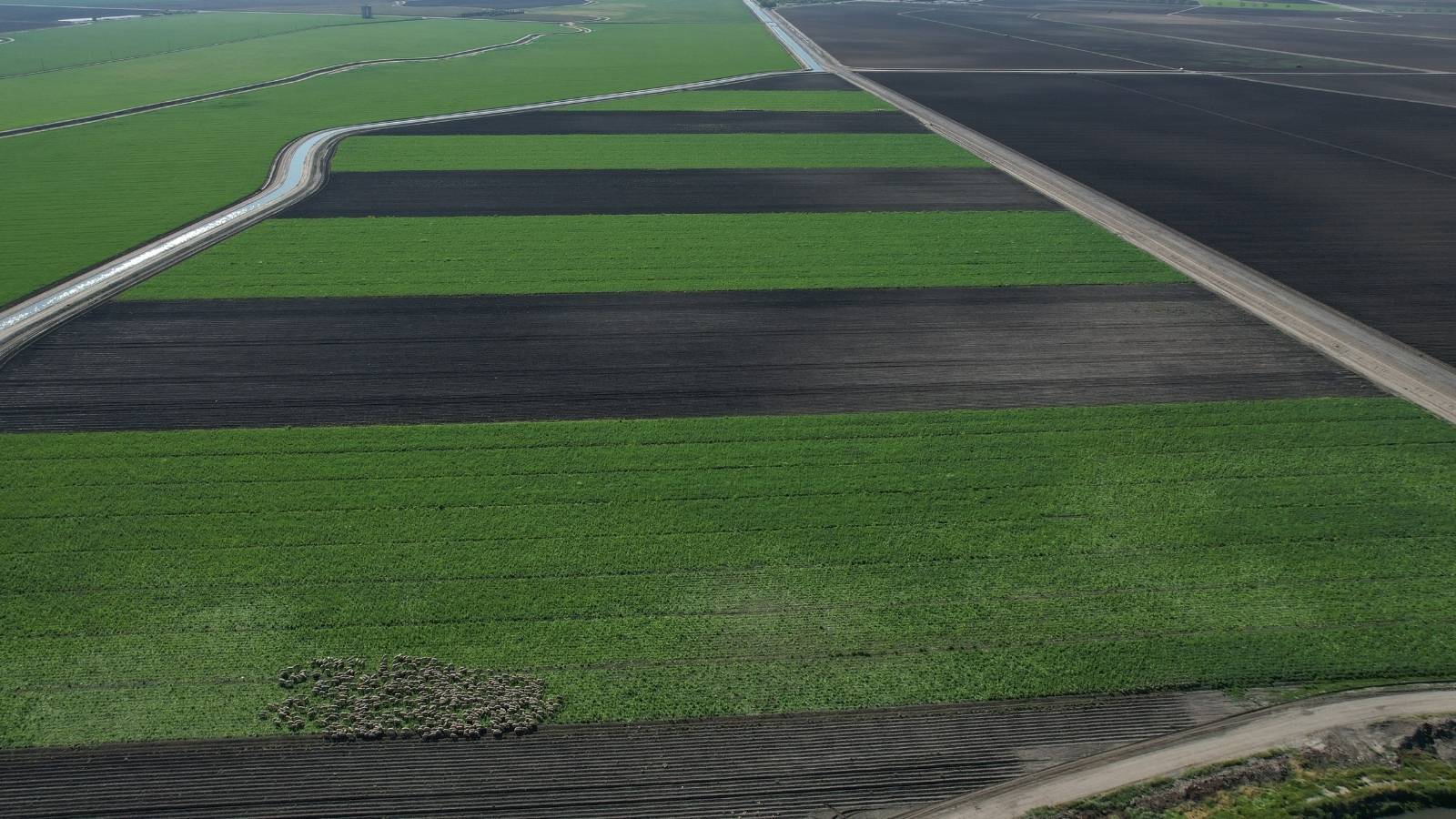
Stewardship has been part of Bowles Farming's operations for six generations.
Transitioning more formally towards regenerative agriculture was a way to recognise, document, and build on practices already core to our philosophy: promoting soil health, protecting our workers and the environment around us, sequestering carbon, and managing water and biodiversity as parts of an integrated system.
Our objectives are to keep the land productive and resilient for future generations, to provide our brand partners with credible, regeneratively grown fibre and food, and to contribute to a regenerative movement that stands up to outside scrutiny.
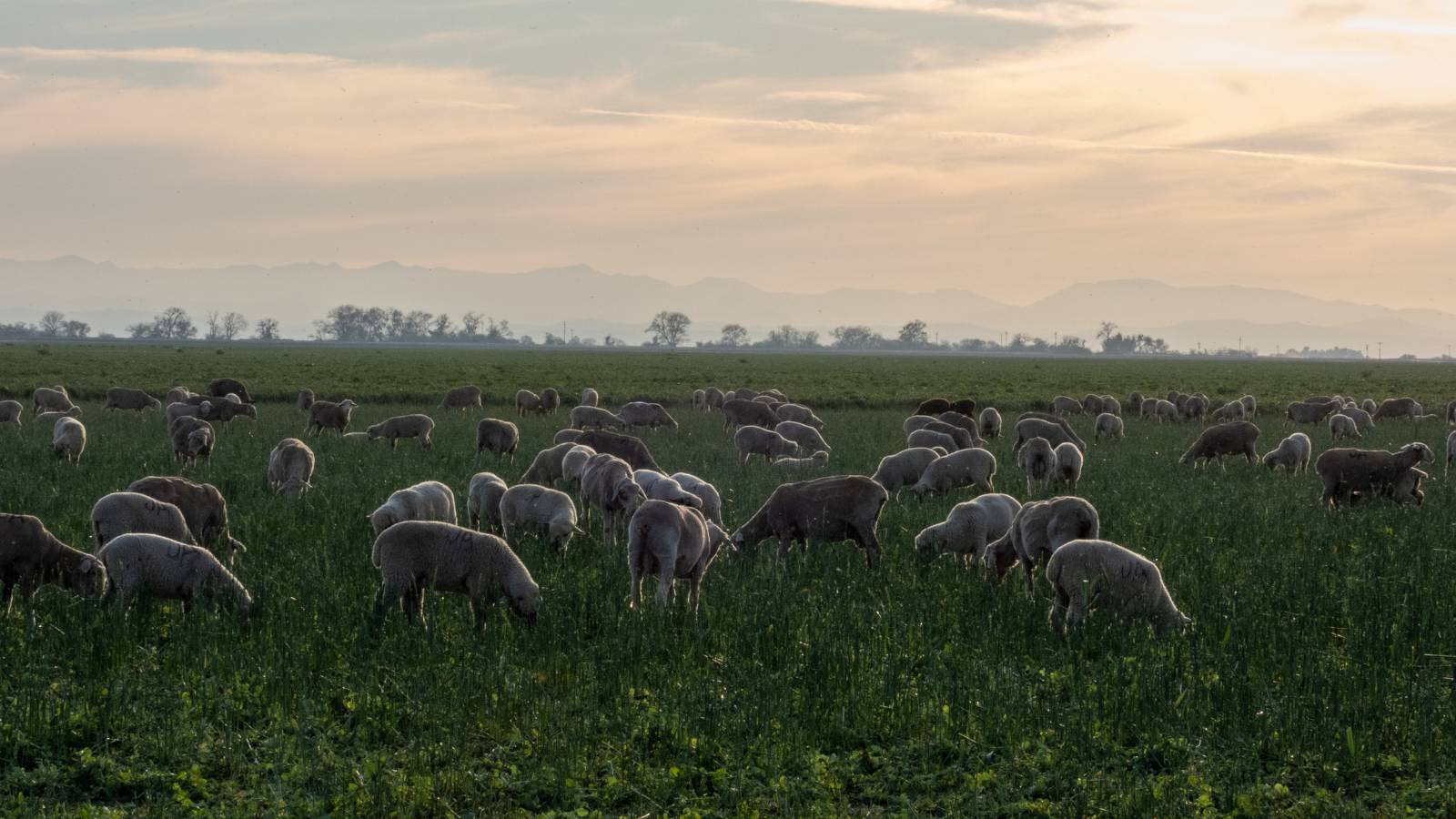
We chose Regenagri because it takes a whole-system view.
Its Continuous Improvement structure pushes measurable progress year on year, and – most importantly – its independent, third-party audits are rigorous.
For our claims to mean anything to brand partners, consumers, or the broader regenerative conversation, they have to be credible and transparent. Self-attestation can't carry that weight. Regenagri delivers verification that does.
Main photo: Cotton harvest. Photo: Bowles Farming Company.
.png)